For NHS Trusts, private clinics and care home operators across the UK, premises management is inextricably linked to infection control. As estate teams utilise the calmer summer weeks of August to audit facilities and prepare for the upcoming NHS winter pressures, it is the ideal time to look closely at the invisible risks lurking within the building fabric itself.
When structural damp is left unaddressed, it directly compromises sterile environments. Here is a look at the clinical impacts of moisture ingress and how healthcare facilities can mitigate these risks through rigorous procurement and accredited B2B partnerships.
The Clinical Reality: How Damp Fuels Pathogens
Hospitals and healthcare facilities house the most vulnerable members of society, including neonates, the elderly and immunocompromised patients undergoing treatments, like chemotherapy. For these individuals, the environmental hazards caused by structural damp can have severe, sometimes fatal, consequences.
- The Threat of Aspergillus and Toxic Moulds: Excess moisture in building materials creates the perfect breeding ground for fungal species, most notably Aspergillus. Inhaling these microscopic fungal spores can cause aspergillosis, a severe respiratory infection that poses a catastrophic risk to patients in intensive care units or oncology wards.
- Proliferation of Biofilms and Bacteria: Damp environments don’t just host mould; they allow bacterial biofilms to thrive on walls, floors and behind clinical fixtures. Moisture ingress degrades specialist antimicrobial wall coatings, allowing opportunistic pathogens to colonise surfaces that are supposed to remain sterile.
- Exacerbation of Chronic Respiratory Conditions: Airborne dampness and high humidity levels trap dust mites, allergens and airborne particulates. This directly worsens the symptoms of patients admitted with chronic obstructive pulmonary disease (COPD), severe asthma and acute respiratory infections – the very conditions that stretch NHS capacity to its limits.
Healthcare Damp Risks vs. Remediation Protocols
To help estate managers quickly identify and map out these structural threats, the table below outlines the core types of damp found in clinical settings, their infection control risks and the required B2B technical solutions.
| Type of Structural Issue | Infection Control & Clinical Risk | Required B2B Technical Solution |
|---|---|---|
| Rising Damp | Spreads moisture up ground-floor walls, destroying clinical plaster and breeding toxic black mould (Stachybotrys chartarum) near patient waiting areas. | Installation of a chemical damp proof course (DPC) combined with specialist salt-retardant replastering. |
| Penetrating Damp | Water ingress from structural defects ruins internal sterile wall finishes, leading to deep-seated damp rot and bacterial biofilms behind clinical fixtures. | Targeted penetrating damp treatments, including external brickwork weatherproofing and cavity wall checks. |
| Condensation & Poor Ventilation | High relative humidity creates widespread surface mould spores, directly aggravating patients with chronic respiratory conditions like COPD and asthma. | Implementation of commercial grade condensation control systems, including mechanical extract ventilation (MEV). |
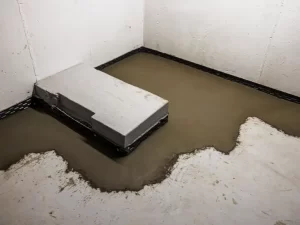
| Below-Ground Moisture Ingress | Flooding or damp in basement labs, plant rooms or storage areas damages critical medical supplies and compromises structural foundations. | Structural waterproofing and basement tanking compliant with BS 8102:2022 standards. |
Case Study: Protecting Critical NHS Assets at Codestone House
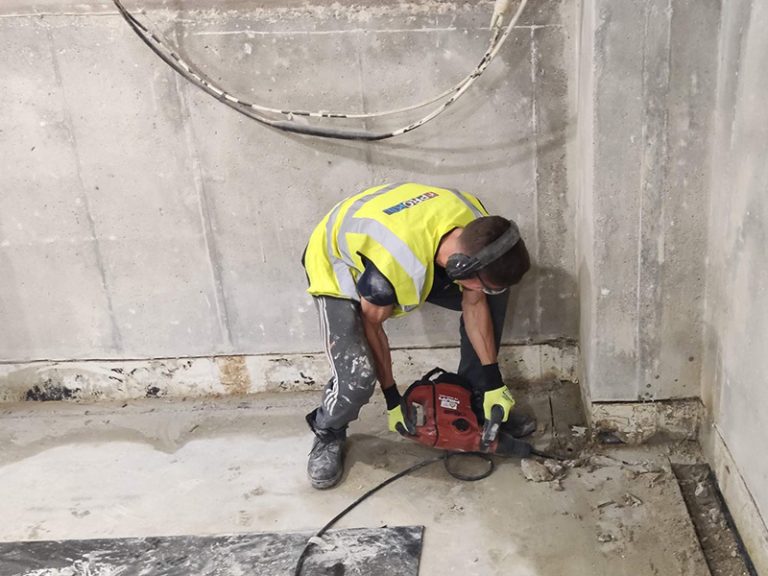
When executing structural waterproofing within the public health sector, technical precision and flawless asset protection are non-negotiable. Prokil was recently commissioned to deliver exactly that during a major renovation project at Codestone House in Poole, Dorset. The facility was being repurposed as a new, vital storage facility for the Dorset HealthCare University NHS Foundation Trust. Because the site would house sensitive medical supplies and critical clinical assets, any risk of groundwater ingress or moisture fluctuation was a direct threat to the Trust’s operational workflow.
Our qualified structural waterproofing specialists implemented a comprehensive, multi-stage waterproofing system tailored explicitly to protect the building from subterranean water pressure. The project serves as an ideal example of how proactive structural remediation ensures long-term asset security and complete environmental control for NHS estates.
The Regulatory Stakes: CQC Compliance and Estate Auditing
Maintaining a sterile, moisture-free environment isn’t just a clinical preference; it is a strict legal requirement under UK healthcare guidelines. The Care Quality Commission (CQC) looks closely at the safety and suitability of the healthcare environment (specifically under Regulation 15). A failure to identify and permanently remediate structural issues or associated dry rot and wet rot outbreaks can result in:
- Failed internal and external health and safety audits
- Costly, unplanned closures of vital wards or operating theatres due to contamination
- Severe reputational damage and legal liability if a healthcare-associated infection is traced back to estate failures
Because the stakes are so high, healthcare facilities cannot rely on standard commercial builders or unaccredited contractors for remedial works. Procurement teams require absolute, certified expertise.
A Workflow Built for NHS Tenders and Frameworks
Procuring commercial contractors within the public health sector requires strict administrative and safety compliance. We understand that NHS facility managers need trackable documentation just as much as they need technical accuracy. Our specialised damp proofing for NHS Trusts protocol ensures that every step of our process aligns with strict PCA and HSE health and safety controls:
- Rigorous Site Inspection: A qualified surveyor conducts a non-invasive, data-backed assessment of the medical facility or clinical space.
- Fixed-Cost Proposals: Estate managers receive a transparent, fixed-cost proposal detailing the precise layout of required works, safety boundaries and target timelines.
- Audit-Ready Documentation: Our written diagnostic reports include full compliance and regulatory references, making them instantly ready to be dropped into your official NHS audit and CQC inspection records.
- Compliant Execution: Accredited technicians carry out the treatments while maintaining active, real-time communication with your estate management teams to ensure patient environments remain entirely safe.
Why the Healthcare Sector Trusts Prokil for Structural Remediation
For over 50 years, Prokil has operated as a trusted, preferred B2B partner for institutional, public sector and healthcare properties across the South of England and Wales. We understand that working in a medical environment requires an entirely different level of precision, compliance and accountability.
- Industry-Leading Qualifications: Our surveyors don’t guess; they diagnose. Holding CSRT (Certificated Surveyor in Remedial Treatments) and CSSW (Certificated Surveyor in Structural Waterproofing) qualifications, our teams understand the exact science of moisture control.
- Rigorous Safety & Compliance: We operate strictly under CHAS compliance guidelines and hold full Property Care Association (PCA) and TrustMark We seamlessly integrate with your site-specific risk assessments and infection control protocols.
- Zero Operational Compromise: Healthcare never sleeps. Our commercial teams are trained to work dynamically and discreetly around 24/7 clinical schedules, ensuring zero disruption to patient care, medical equipment or sterile zones.
- Protecting Public Budgets: Every damp proofing system we install is backed by the comprehensive 20-year Prokil Guarantee, ensuring long-term structural integrity and maximum return on investment for public and private healthcare funds.
Protect Your Patients Before the Winter Pressures Begin
While August provides drier weather and slightly lower emergency admission rates, it represents the critical operational window to audit your estates. Resolving structural moisture issues now ensures your facility remains completely sterile, weatherproofed and CQC-compliant before the autumn rains and winter pressures arrive. Partner with an accredited B2B specialist who takes infection control as seriously as you do.